 Home Loans
 Personal Loans
 SME Loans
 Business Loans - Udyog Plus
  Loan Against Securites
 Loan Against Property
 Mutual Fund
 Stock and Securities
 Wealth
 Portfolio Management Services
 Pension Funds
 Life Insurance
 Health Insurance
 Wellness Solutions
 Pay Bills
 Pay for anything
 Pay Anyone
 Pay on Call
 Credit Cards
 Prepaid Gift Card



 1800-270-7000
-
Our Products
-
Self Care
- Downloads
- Learnings
- About Us
-
More
-
Shareholders
-
Shareholders
-
-
SIP Calculators

-
Shareholders
 IMPORTANT ALERT ! Beware of Fake AMC App, Online Impersonation & Scam WhatsApp Groups.

ABC Solution 
Loans
Insurance


 AppStore
 Playstore
Aditya Birla Sun Life AMC Limited


Aditya Birla Sun Life AMC Limited

Top Reasons to Consider Investing in Specialised Investment Funds (SIF)

Apr 01, 2026
5 min
0 Rating
Specialised Investment Funds (SIF) offer access to advanced strategies and portfolio flexibility within a regulated framework, but their suitability depends on individual goals and market conditions.
Investment products in India continue to evolve as investor needs become more diverse. To address this, the Securities and Exchange Board of India (SEBI) established Specialised Investment Funds (SIFs) as a new asset class, effective April 1, 2025.
2025.
These funds are designed to bridge the gap between traditional mutual funds and more specialised investment structures. The framework allows investors to access more flexible investment strategies while maintaining regulatory oversight.
The segment has already begun to see traction. Industry reports indicate that SIF investor folios crossed about 20,779 by December 2025, reflecting growing interest in this relatively new category of investment products.
As investors explore ways to diversify their portfolios and access more specialised strategies, SIF investment options are gaining attention. However, like any market-linked product, their performance and outcomes depend on market conditions and individual investment decisions.
What Are Specialised Investment Funds (SIF)?
To understand the benefits, it helps to start with the basics.
Specialised Investment Funds (SIF) are a category of investment products introduced under the SEBI regulatory framework. They follow a structure similar to that of mutual funds but allow for a broader range of investment strategies.
The objective behind introducing specialised investment funds is to offer investors access to more advanced strategies that may not be available in conventional mutual fund categories.
Typically, SIF investment products may include strategies such as:
Long-short equity strategies
Multi-asset allocation approaches
Sector-focused investment strategies
Use of derivatives for portfolio management
These strategies aim to provide investors with additional flexibility in managing portfolios depending on market conditions.
How SIF Differs from Traditional Mutual Funds?
While SIF and traditional mutual funds both pool money from investors, there are certain differences in how they operate.
Traditional mutual funds typically follow relatively standardised investment rules. In contrast, specialised investment funds are designed to allow more flexibility in strategy design and portfolio construction.
For example, some SIF investment strategies may combine different asset classes or use hedging approaches that traditional mutual funds may not use extensively.
Another key difference is the minimum investment requirement. Under the regulatory framework, the minimum investment for SIFs is generally ₹10 lakh at the investor level, making them more suitable for investors who can allocate a larger amount to specialised strategies.
These structural differences position SIF as a middle ground between conventional mutual funds and more complex investment vehicles.
Access to Advanced Investment Strategies
One of the key attractions of SIF investment is the ability to access strategies that go beyond traditional approaches.
For instance, certain specialised investment funds may use long-short strategies, where the portfolio can potentially benefit from both rising and falling market trends depending on market conditions.
Some strategies may also involve:
Tactical asset allocation
Sector rotation approaches
Multi-asset diversification
These strategies aim to provide portfolio managers with more tools to manage risk and opportunity depending on market dynamics. However, outcomes may vary depending on market movements.
Portfolio Diversification Benefits
Diversification is an important principle in investing. Many investors look for opportunities to spread their investments across different asset classes and strategies.
SIF investment options may offer diversification by combining multiple assets or strategies within a single portfolio.
For example, certain specialised investment funds may include a mix of equities, debt instruments, or derivative strategies. This multi-strategy approach may help investors broaden their exposure across different market segments depending on market conditions.
However, diversification does not eliminate market risk. Investors should evaluate how a SIF fits within their overall portfolio allocation.
Flexibility and Customisation
Another important feature of SIF is the flexibility it offers in portfolio management.
Unlike traditional investment products that follow predefined mandates, specialised investment funds can allow more customised strategies within the regulatory framework.
This flexibility may include:
Dynamic allocation across asset classes
Tactical portfolio adjustments
Strategy-specific portfolio construction
For investors seeking a more tailored SIF investment approach, this flexibility may provide an opportunity to align strategies with their financial objectives and investment horizon, depending on market conditions.
Risk Considerations
While SIF investment offers additional flexibility, it is important to understand that these funds also carry risks.
Some of the key risks may include:
Market volatility
Strategy-specific risks
Derivative exposure risks
Liquidity considerations
Since specialised investment funds may employ advanced strategies, their returns can fluctuate depending on market conditions.
Investors should review the scheme information documents and understand the underlying strategy before investing.
Who Should Consider Investing in SIF?
Not every investor may find SIF suitable.
Generally, SIF investment may be considered by investors who:
Have a relatively higher investment capacity
Understand market-linked investment risks
Are looking for diversification beyond traditional mutual funds
Have a long-term investment approach depending on market conditions
Because these funds involve specialised strategies, investors may benefit from evaluating their risk tolerance and financial goals before allocating capital.
Exploring the Role of SIF in Evolving Investment Portfolios
The introduction of specialised investment funds reflects the changing landscape of investment opportunities in India. By offering access to advanced strategies within a regulated structure, SIF provides an additional option for investors seeking diversified investment approaches.
As the category develops and investor participation increases, SIF investment may become a complementary component within diversified portfolios, depending on market conditions and individual financial goals.
Understanding how these funds work, along with their risks and features, can help investors make informed decisions when considering them as part of their overall investment strategy.
Disclaimers:
The information herein is meant only for general reading purposes, and the views being expressed only constitute opinions and therefore cannot be considered as guidelines, recommendations or a professional guide for the readers. The document has been prepared on the basis of publicly available information, internally developed data, and other sources believed to be reliable. Recipients of this information are advised to rely on their own analysis, interpretations & investigations. Readers are also advised to seek independent professional advice in order to arrive at an informed investment decision.
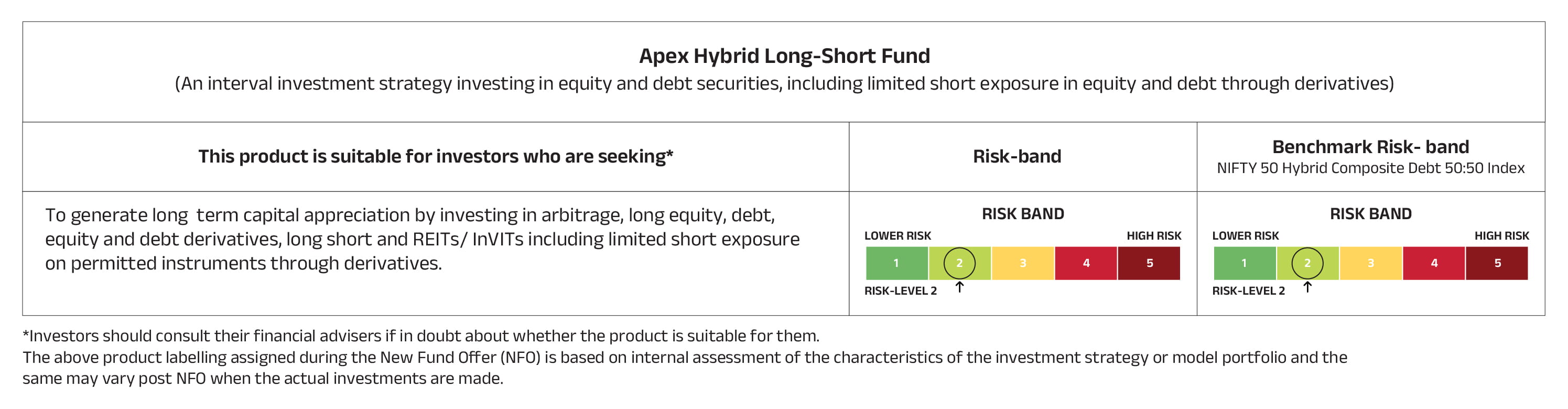
Investments in Specialized Investment Fund involves relatively higher risk
including potential loss of capital, liquidity risk and market volatility. Please read all
investment strategy related documents carefully before making the investment
decision.
Source:
https://www.sebi.gov.in/legal/circulars/feb-2025/regulatory-framework-for-specialized-investment-funds-sif-_92299.html
https://economictimes.indiatimes.com/mf/analysis/explained-what-does-sebis-new-asset-class-specialized-investment-fund-offer/articleshow/118622672.cms?utm_source=chatgpt.com
https://www.financialexpress.com/money/insights/sebis-new-rs-10-lakh-bridge-why-sifs-are-the-missing-link-between-mutual-funds-and-pms/4131569/#:~:text=There%20is%20growing%20interest%20in%20SIFs%20among%20investors.%20By%20the%20end%20of%20December%2020
https://www.moneycontrol.com/news/business/personal-finance/sifs-explained-the-best-of-mutual-funds-pms-aif-13678120.html#:~:text=minimum%20investment%20threshold%20of%20around%20%E2%82%B910%20lakh%20makes%20SIFs%20accessible%20to%20high%2Dnet%2Dworth%20

SIF investments generally require a minimum investment of ₹10 lakh, making them more suitable for investors who can allocate higher capital and understand market-linked investment risks.
SIF operates under the mutual fund regulatory structure but allows more flexible strategies. It is positioned between traditional mutual funds and other specialised investment structures.
Risks may include market volatility, strategy risks, derivative exposure, and liquidity risks, depending on market conditions.
The regulatory framework specifies a minimum investment of ₹10 lakh at the investor level across SIF strategies.
In some cases, SIF may complement a diversified portfolio by offering exposure to specialised strategies, depending on market conditions and individual financial goals.