 Home Loans
 Personal Loans
 SME Loans
 Business Loans - Udyog Plus
  Loan Against Securites
 Loan Against Property
 Mutual Fund
 Stock and Securities
 Wealth
 Portfolio Management Services
 Pension Funds
 Life Insurance
 Health Insurance
 Wellness Solutions
 Pay Bills
 Pay for anything
 Pay Anyone
 Pay on Call
 Credit Cards
 Prepaid Gift Card



 1800-270-7000
-
Our Products
-
Self Care
- Downloads
- Learnings
- About Us
-
More
-
Shareholders
-
Shareholders
-
-
SIP Calculators

-
Shareholders
 IMPORTANT ALERT ! Beware of Fake AMC App, Online Impersonation & Scam WhatsApp Groups.

ABC Solution 
Loans
Insurance


 AppStore
 Playstore
Aditya Birla Sun Life AMC Limited


Aditya Birla Sun Life AMC Limited

Things to Consider Before Investing in Multi Asset Allocation Fund

Jan 11, 2023
4 min
4 Rating
Financial historian and economist Peter Bernstein said, “Diversification of risk matters not just defensively, but because it maximizes returns as well, because we expose ourselves to all of the opportunities that there may be out there.”
As Bernstein points out, it’s not just about lowering your risks, but also optimising the opportunities that dynamic market cycles offer. Multi Asset Allocation Funds aim to do exactly this. They diversify your investment into at least three distinct asset classes of equity, fixed income, and commodities.
Multi Asset Allocation Funds: Are They Suitable for You?
Every investor has his or her own investing style and strategy. While some are conservative and cautious in the approach, others are risk takers who are unafraid of exploring new avenues. With diversification being their core strategy, Multi Asset Allocation Funds give all kinds of investors a chance to try out other investing approaches while following their own style too.
Must Read - What is a Multi Asset Allocation Fund?
While this in itself may seem to be a good enough reason to invest in Multi Asset Allocation Funds, there are a few things that need to be kept in mind before doing so.
1. Diversification with Terms and Conditions Applied:
The Securities and Exchange Board of India (SEBI) requires that multi asset allocation funds must invest in at least three asset groups with a minimum 10% allocation in each. This restriction acts as a saviour in disguise because it assures investors of at least 10% investment in three diverse asset classes that are not correlated to each other. Moreover, it helps limit your risk of going all in and losing money in case of a market downturn.
2. Multi Asset Funds can’t replace individual portfolio diversification:
It is important to understand that there is a difference between diversification through Multi Asset Allocation Funds, and diversification of your individual portfolio. Multi Asset Allocation Funds juggle the available invested money between the three asset classes. Therefore, when a certain class is performing well, money from other classes is diverted to that particular asset class. But it is also necessary to independently invest devoted amounts of your money to singular asset classes that have lower corelation to each other. This way even if one class does not do well, it does not negatively impact your investment in other asset classes.
Also, it helps you follow your own investing style and preferences such as value investing or growth-oriented investing. You can separately allocate funds to individual classes based on your risk tolerance or taxation preference, as each asset class has a different taxation pattern.
3. Fund Manager plays an important role:
Multi Asset Allocation Funds are actively managed mutual funds. This means that all decisions regarding the allocation of money lies with the Fund Manager. Based on his research of market movements and trends, the Fund Manager changes and channelises your invested money into equity, fixed income and commodities. For instance, if the markets are doing well like it is at present in India, the Fund Manager can focus more money on the equity class. But in case of a market downturn, as during the Global Financial Crisis in 2008-09, commodities such as gold and silver do much better. Hence, more funds can be allocated to them at such times.
Thus, it is imperative to do a thorough check on the background and experience of the Fund Manager of any multi asset allocation fund before investing. These details are easily available in the Scheme Information Document, and by studying his/her past fund performances you can avail yourself of an expert manager who can help optimise your investments.
Must read - All you need to know about Silver Mutual Fund
Understanding the taxation of multi asset allocation fund
SEBI has only mandated minimum investment, but it is at the fund manager’s discretion to allocate the remaining 70%. If your fund has more than 65% of holdings in debt your returns will be taxed like a debt fund and if it is in equity, it will be taxed as an equity-oriented scheme. While planning your investments, it is imperative to understand the tax implications.
Who should invest in Multi asset allocation funds?
Investing in multiple asset classes requires a lot of study and research into how each asset class works or behaves in different circumstances; more so when it comes to uncorrelated assets. So, while you brush up on your investing knowledge, why not let the experts handle a portion of your money? Multi asset allocation funds can be a good stepping stone for new investors, as well as one of your core investment strategies if you are a seasoned investing.
Amid uncertainty in global markets, diversification is the main mantra, and multi asset allocation funds are a great way to tap the balance risk and grab opportunity every asset brings. Aditya Birla Sun Life Multi Asset Allocation Fund NFO is just around the corner. Now that you know all about the fund, take this opportunity to strengthen your portfolio with Aditya Birla Sun Life Multi Asset Allocation Fund.
The product labelling assigned during the NFO is based on internal assessment of the Scheme characteristics or model portfolio and the same may vary post NFO when the actual investments are made.
Aditya Birla Sun Life Multi Asset Allocation Fund
(An open ended scheme investing in Equity, Debt and Commodities.)
This product is specially designed for investors seeking
- Long term capital appreciation
- Investment in equity and equity related securities, debt & money market instruments and Commodities.
*Investors should consult their financial advisers if in doubt whether the product is suitable for them
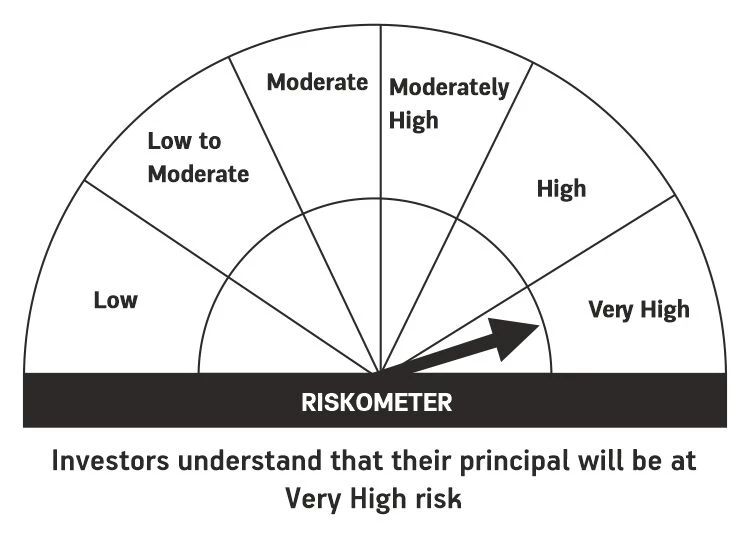
For more information on the scheme, please refer to SID/KIM of the scheme.
Mutual Fund investments are subject to market risks, read all scheme related documents carefully.
